Sequelitis — Blue Ink Alchemy
"No. I'm not taking another step until Justice lets Anders out to play."
Blue Ink Alchemy

 Has it really been 20 years? Obviously it has, since the 20th Anniversary Edition of Vampire: the Masquerade is coming. I'm definitely interested, for a variety of reasons, not the least of which the time I spent playing that game both on the table and in live action. This pending milestone, plus my current re-read of Niven & Barnes' Dream Park, has me thinking back on those times I donned a suit for a purpose other than a job interview. Masquerade was a fun and engrossing game world, but it wasn't without its flaws. A diverse set of clans for power specialization and fluff flavors coupled with an intriguing take on old vampire legends made it appealing right out of the box. The premise of it being based on 'personal horror' was fascinating as well, to me: what does this change, these powers, mean on a personal level? How hard will you fight against these new instincts, this new society, to hold on to the person you were? How far will you go to make a place for yourself among the other creatures of the night? These questions, to me, were far more important to me than any number of filled-in circles on a character sheet, especially in retrospect. There's a part of me that wonders if I left a good amount of this really juicy storytelling material unexplored. When I first became acquainted with the game I was still developmental in both my abilities for telling tales and my maturity in handling character beats. To put it another way, I was all about the circles. As time went on I did delve into some of the deeper issues but more often than not, real life found a way to upset the pace I was setting for myself in an ongoing Masquerade game. Then came Requiem. I haven't played it anywhere near as much as Masquerade, although I did get a great taste of it when I met Will Hindmarch. The questions are still there, but the answers felt odd, in a way. There felt like there was a clean disconnect between who a character was after becoming a vampire, and who they were before. Maybe it's just me, but the pitch and timbre of the 'music' of Requiem felt a bit more avant-garde than that of Masquerade. Don't get me wrong, there's some great stuff in Requiem. I adore the fact that they did away with cookie-cutter villains, letting player factions and politics become the crux of the drama in gameplay. The change to clans felt a bit odd to me; while I acknowledge it adds potential diversity through bloodlines, it also seemed like an overcomplication of an aspect of the game that didn't need fixing, in my humble opinion. The obliteration of the Cainite history, and most history for that matter, felt like the least-welcome change. Traditions, tales and lore added depth and a sense of weight to the condition of the players: You are a product of all that has come before you, and it's up to you if you follow in those bloody footsteps or strike out on your own. In Requiem, any ties to your past or your lineage is tangential at best. There's less pressure on the player... fewer questions asked. I've long felt that the perfect vampire game (at least in the World of Darkness) lies somewhere between these two settings. The Cainite history, august lineages of the clans with their centuries of infighting, betrayal, absorption and breakaways and deeper personal questions from Masquerade coupled with the faction politics and cagey-yet-social nature of the Beast from Requiem seems like the best of both worlds. Then again, that could just be me. Either way, the characters continue to be the focus of any decent story, and when it comes to the World of Darkness, they've been fascinating for 20 years and hopefully will continue to be so for many more years to come. Header image courtesy Highmoon's Ponderings
 Masquerade was a fun and engrossing game world, but it wasn't without its flaws. A diverse set of clans for power specialization and fluff flavors coupled with an intriguing take on old vampire legends made it appealing right out of the box. The premise of it being based on 'personal horror' was fascinating as well, to me: what does this change, these powers, mean on a personal level? How hard will you fight against these new instincts, this new society, to hold on to the person you were? How far will you go to make a place for yourself among the other creatures of the night? These questions, to me, were far more important to me than any number of filled-in circles on a character sheet, especially in retrospect. There's a part of me that wonders if I left a good amount of this really juicy storytelling material unexplored. When I first became acquainted with the game I was still developmental in both my abilities for telling tales and my maturity in handling character beats. To put it another way, I was all about the circles. As time went on I did delve into some of the deeper issues but more often than not, real life found a way to upset the pace I was setting for myself in an ongoing Masquerade game. Then came Requiem. I haven't played it anywhere near as much as Masquerade, although I did get a great taste of it when I met Will Hindmarch. The questions are still there, but the answers felt odd, in a way. There felt like there was a clean disconnect between who a character was after becoming a vampire, and who they were before. Maybe it's just me, but the pitch and timbre of the 'music' of Requiem felt a bit more avant-garde than that of Masquerade. Don't get me wrong, there's some great stuff in Requiem. I adore the fact that they did away with cookie-cutter villains, letting player factions and politics become the crux of the drama in gameplay. The change to clans felt a bit odd to me; while I acknowledge it adds potential diversity through bloodlines, it also seemed like an overcomplication of an aspect of the game that didn't need fixing, in my humble opinion. The obliteration of the Cainite history, and most history for that matter, felt like the least-welcome change. Traditions, tales and lore added depth and a sense of weight to the condition of the players: You are a product of all that has come before you, and it's up to you if you follow in those bloody footsteps or strike out on your own. In Requiem, any ties to your past or your lineage is tangential at best. There's less pressure on the player... fewer questions asked. I've long felt that the perfect vampire game (at least in the World of Darkness) lies somewhere between these two settings. The Cainite history, august lineages of the clans with their centuries of infighting, betrayal, absorption and breakaways and deeper personal questions from Masquerade coupled with the faction politics and cagey-yet-social nature of the Beast from Requiem seems like the best of both worlds. Then again, that could just be me. Either way, the characters continue to be the focus of any decent story, and when it comes to the World of Darkness, they've been fascinating for 20 years and hopefully will continue to be so for many more years to come. Header image courtesy Highmoon's Ponderings Masquerade was a fun and engrossing game world, but it wasn't without its flaws. A diverse set of clans for power specialization and fluff flavors coupled with an intriguing take on old vampire legends made it appealing right out of the box. The premise of it being based on 'personal horror' was fascinating as well, to me: what does this change, these powers, mean on a personal level? How hard will you fight against these new instincts, this new society, to hold on to the person you were? How far will you go to make a place for yourself among the other creatures of the night? These questions, to me, were far more important to me than any number of filled-in circles on a character sheet, especially in retrospect. There's a part of me that wonders if I left a good amount of this really juicy storytelling material unexplored. When I first became acquainted with the game I was still developmental in both my abilities for telling tales and my maturity in handling character beats. To put it another way, I was all about the circles. As time went on I did delve into some of the deeper issues but more often than not, real life found a way to upset the pace I was setting for myself in an ongoing Masquerade game. Then came Requiem. I haven't played it anywhere near as much as Masquerade, although I did get a great taste of it when I met Will Hindmarch. The questions are still there, but the answers felt odd, in a way. There felt like there was a clean disconnect between who a character was after becoming a vampire, and who they were before. Maybe it's just me, but the pitch and timbre of the 'music' of Requiem felt a bit more avant-garde than that of Masquerade. Don't get me wrong, there's some great stuff in Requiem. I adore the fact that they did away with cookie-cutter villains, letting player factions and politics become the crux of the drama in gameplay. The change to clans felt a bit odd to me; while I acknowledge it adds potential diversity through bloodlines, it also seemed like an overcomplication of an aspect of the game that didn't need fixing, in my humble opinion. The obliteration of the Cainite history, and most history for that matter, felt like the least-welcome change. Traditions, tales and lore added depth and a sense of weight to the condition of the players: You are a product of all that has come before you, and it's up to you if you follow in those bloody footsteps or strike out on your own. In Requiem, any ties to your past or your lineage is tangential at best. There's less pressure on the player... fewer questions asked. I've long felt that the perfect vampire game (at least in the World of Darkness) lies somewhere between these two settings. The Cainite history, august lineages of the clans with their centuries of infighting, betrayal, absorption and breakaways and deeper personal questions from Masquerade coupled with the faction politics and cagey-yet-social nature of the Beast from Requiem seems like the best of both worlds. Then again, that could just be me. Either way, the characters continue to be the focus of any decent story, and when it comes to the World of Darkness, they've been fascinating for 20 years and hopefully will continue to be so for many more years to come. Header image courtesy Highmoon's Ponderings

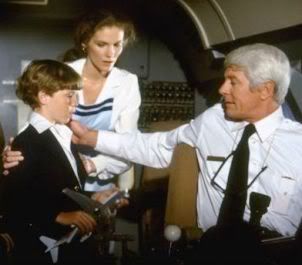

"William Wallace is seven feet tall!" "Yes, I've heard! Kills men by the hundreds, and if he were here he'd consume the English with fireballs from his eyes and bolts o' lightning from his arse!"Heroes, protagonists and so-called 'good guys' rarely pay much attention to how they're perceived. We accept and, on some level, expect a level of humility from most heroes that precludes them from worrying about what others think overmuch. Occasionally, you'll have somebody like Tony Stark, who uses the media's perception of his persona not only to call attention to the evils he fights against but also to obfuscate the true depth of his character. For the most part, though, our heroes tend to be more like John McClain or Aragorn, avoiding undue attention as much as possible so they can focus on the task at hand. The perceptions others have of them grow of their own accord, and things that they do in the pursuit of their goal become legendary tales to those who hear of their feats. It's how the humble policeman and the reluctant ranger become heroes and kings.
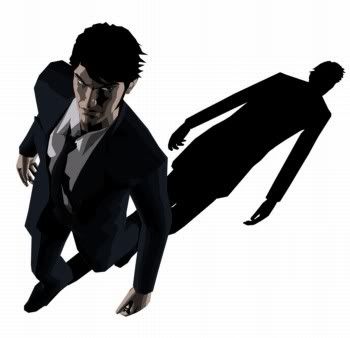
"The greatest trick the Devil ever pulled was convincing the world he didn't exist."Villains, on the other hand, make use of their perceptions often. Most of the time, it's in the course of playing up their menace. The more scared you are of someone, the less likely you are to stand up to them. Some of them go beyond mere intimdation to craft a perception of themselves in the minds of others so powerful that they don't need to look, say or do anything out of the ordinary. Sure, messing with Megatron or Skeletor is a bad idea. You don't assume, however, that picking on the little guy in the running crew could land you in big trouble. Many true villains cultivate perceptions of quiet, introverted advisors even as they steer the course of the world around them through quiet manipulation.
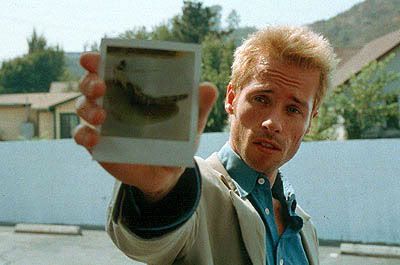
"So... I'm chasing this guy. Wait... wait, no, he's chasing me."Finally there are those with conditions that might color the perception of others regardless of any moral stance they have. When they become aware of these perceptions, and the expectations that can come along with them, they can be just as manipulative of those perceptions as the canniest, most insidious villain. It causes other characters to question what they know and how they've come to know it. "The dwarf's a major threat? The psychopathic murder's polite and cultured? The apologetic man with the short-term memory loss has ice water for blood?" And let us not forget the perceptions of the audience. A character might seem to be utterly irredeemable in their eyes, until you allow them into that character's point of view or expand upon their background. Let the audience spend time with them, fill in some of the blanks they might have populated with their preconceptions, and watch their perceptions change. When it happens, the audience will often take a moment to realize and appreciate the shift, then proceed to seek more story. And we, as storytellers, should not hesitate to oblige.
"William Wallace is seven feet tall!" "Yes, I've heard! Kills men by the hundreds, and if he were here he'd consume the English with fireballs from his eyes and bolts o' lightning from his arse!"Heroes, protagonists and so-called 'goog guys' rarely pay much attention to how they're perceived. We accept and, on some level, expect a level of humility from most heroes that precludes them from worrying about what others think overmuch. Occasionally, you'll have somebody like Tony Stark, who uses the media's perception of his persona not only to call attention to the evils he fights against but also to obfuscate the true depth of his character. For the most part, though, our heroes tend to be more like John McClain or Aragorn, avoiding undue attention as much as possible so they can focus on the task at hand. The perceptions others have of them grow of their own accord, and things that they do in the pursuit of their goal become legendary tales to those who hear of their feats. It's how the humble policeman and the reluctant ranger become heroes and kings.
"The greatest trick the Devil ever pulled was convincing the world he didn't exist."Villains, on the other hand, make use of their perceptions often. Most of the time, it's in the course of playing up their menace. The more scared you are of someone, the less likely you are to stand up to them. Some of them go beyond mere intimdation to craft a perception of themselves in the minds of others so powerful that they don't need to look, say or do anything out of the ordinary. Sure, messing with Megatron or Skeletor is a bad idea. You don't assume, however, that picking on the little guy in the running crew could land you in big trouble. Many true villains cultivate perceptions of quiet, introverted advisors even as they steer the course of the world around them through quiet manipulation.
"So... I'm chasing this guy. Wait... wait, no, he's chasing me."Finally there are those with conditions that might color the perception of others regardless of any moral stance they have. When they become aware of these perceptions, and the expectations that can come along with them, they can be just as manipulative of those perceptions as the canniest, most insidious villain. It causes other characters to question what they know and how they've come to know it. "The dwarf's a major threat? The psychopathic murder's polite and cultured? The apologetic man with the short-term memory loss has ice water for blood?" And let us not forget the perceptions of the audience. A character might seem to be utterly irredeemable in their eyes, until you allow them into that character's point of view or expand upon their background. Let the audience spend time with them, fill in some of the blanks they might have populated with their preconceptions, and watch their perceptions change. When it happens, the audience will often take a moment to realize and appreciate the shift, then proceed to seek more story. And we, as storytellers, should not hesitate to oblige.
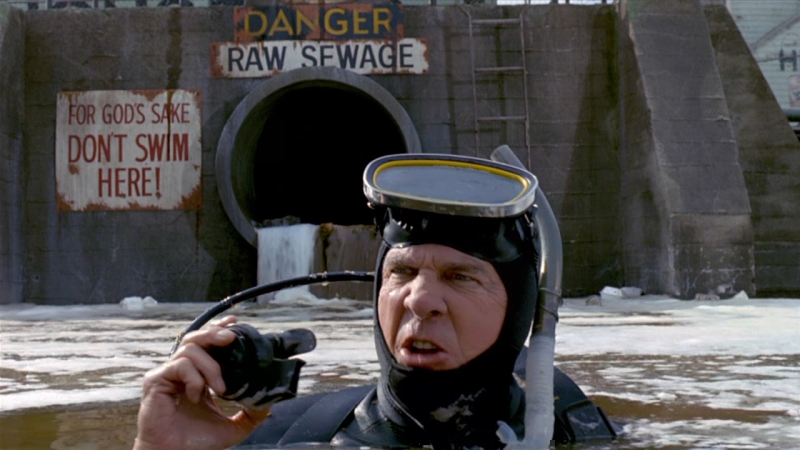


"They made the game easier to play and dumbed down the mechanics! TO ARMS!" "This has nothing to do with the previous parts of the narrative because it's using new characters we don't know! A PLAGUE ON EVERYONE'S HOUSES!" "WHAT? Visual changes that make things unfamiliar/derivative/different from before? KILL IT WITH FIRE!" "PCs are no longer inherently superior to consoles? LIES AND SLANDER, I SAY!"Start a bandwagon and you'll be sure to find people happy to jump aboard it without forming opinions of their own. In fact the lemonade (haterade?) being served on TGO's bandwagon is rather refreshing, now that you mention it.
"They made the game easier to play and dumbed down the mechanics! TO ARMS!" "This has nothing to do with the previous parts of the narrative because it's using new characters we don't know! A PLAGUE ON EVERYONE'S HOUSES!" "WHAT? Visual changes that make things unfamiliar/derivative/different from before? KILL IT WITH FIRE!" "PCs are no longer inherently superior to consoles? LIES AND SLANDER, I SAY!"Start a bandwagon and you'll be sure to find people happy to jump aboard it without forming opinions of their own. In fact the lemonade (haterade?) being served on TGO's bandwagon is rather refreshing, now that you mention it.